

Our Campaigns: The main areas in which we aim to make an impact
Fair World International is primarily focused on the disadvantages experienced by women, girls, and boys in their everyday lives. Happily, there are increasingly more and more exceptions to the norm. But most women still have a life determined by very early motherhood, minimal education, multiple children, and the everyday challenges associated with inadequate food and water supplies and poor health access.
It is our purpose to make changes in small but impactful ways to make women’s and children’s lives easier.
-

Malnourishment program
The malnutrition program for children under the age of five – currently supporting over 100 children in six villages, where the goal is for them to regain a healthy weight.
Your $100 could feed 10 children on our malnourishment program for ONE month.
-

Re-usable menstrual kits made by three women’s groups to distribute to school girls
Supply reusable menstrual kits to school-aged girls who otherwise be forced to stay at home during menstruation. These kits are produced by three women’s groups, who we pay for their work. A win-win situation.
Your $100 can finance the purchase of 14 menstrual kits to empower girls to attend school every day of the month.
-

Health centre medical equipment
Install medical equipment into Health Clinics in the Usambara mountain villages – over 40 in total. This program has recently expanded into the Bagamoyo region with visitation to 22 clinics.
-

Solar system installation in health clinics
Install solar energy into the maternity wards and delivery rooms of health clinics.
-

School toilets and hand-washing stations
Build toilets with hand washing stations in schools where needed.
Your $445 can build one toilet in a school.
-

HIV AIDS patient support and health insurance for blind school students
Support HIV positive attendees at 10 health clinics in the mountains by paying their health insurance and creating work opportunities for them.
Your $100 could provide health insurance to 20 of the blind school students and HIV adult patients whom we seek to support.
-

Village water supply
Connect water to village centres, schools, and health clinics.
$500 would allow us to build one 10,000 liter water tank for a health clinic, school, or, as part of a village water supply.
-

Health clinics
Build, or complete (if the project has stalled), health clinics in isolated villages.
-
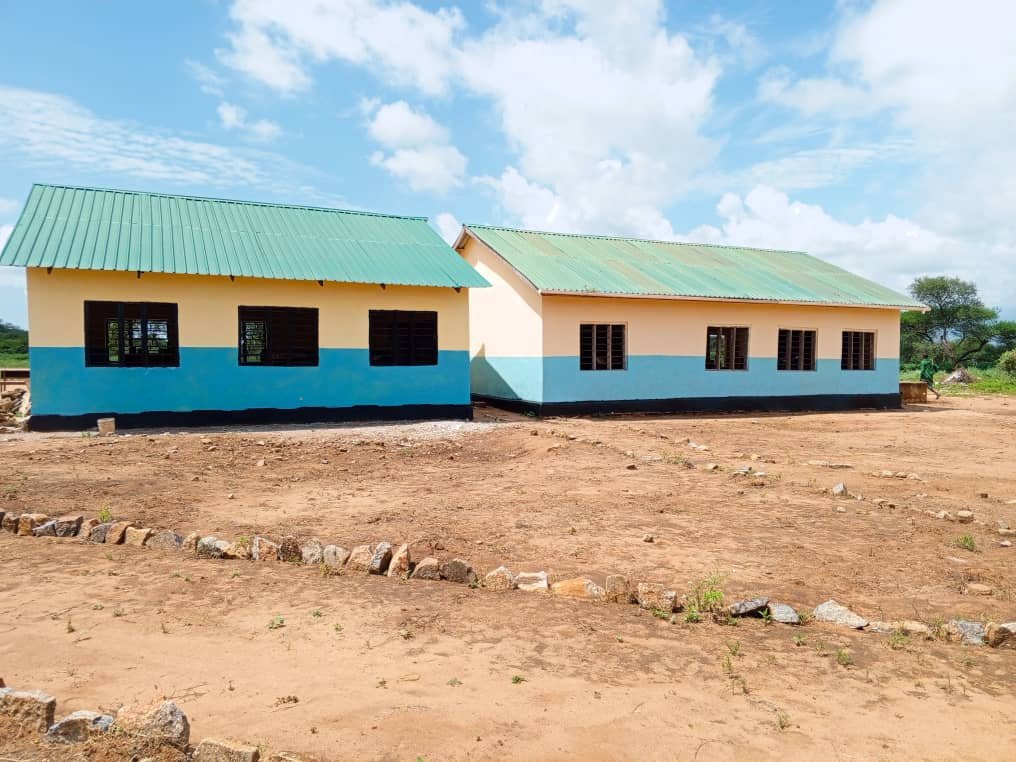
Building structures
We are also called upon to increase infrastructure in villages. This can range from building health clinics, kitchens in schools, water tanks, and housing for nurses and doctors living in isolated health clinics.